
The Lasik Guidebook – Everything You Need to Know Before Your Procedure
Are you considering getting LASIK eye surgery? This guidebook will give you all the information you need before undergoing this life-changing procedure. LASIK is a popular and effective surgery that can correct vision problems such as nearsightedness, farsightedness, and astigmatism.
It has a high success rate and can significantly improve your quality of life by reducing or eliminating the need for glasses or contact lenses. However, you should know a few essential things before laser treatment.
What is LASIK?
LASIK stands for Laser-Assisted In Situ Keratomileusis. During the procedure, a laser is used to reshape the cornea, the transparent front part of the eye. By altering the cornea’s shape, LASIK can correct refractive errors and improve vision. The surgery is quick, painless, and often performed in less than 30 minutes.
Is LASIK Right for You?
Before undergoing LASIK, you must have a comprehensive eye exam to determine if you are a good candidate for the surgery. Ideal candidates for LASIK are over 18 years old, have stable vision for at least a year, and have healthy eyes free of certain conditions such as cataracts or glaucoma. Additionally, it would be best if you were not pregnant or nursing, as hormonal changes can affect vision stability.
What to Expect During the Procedure
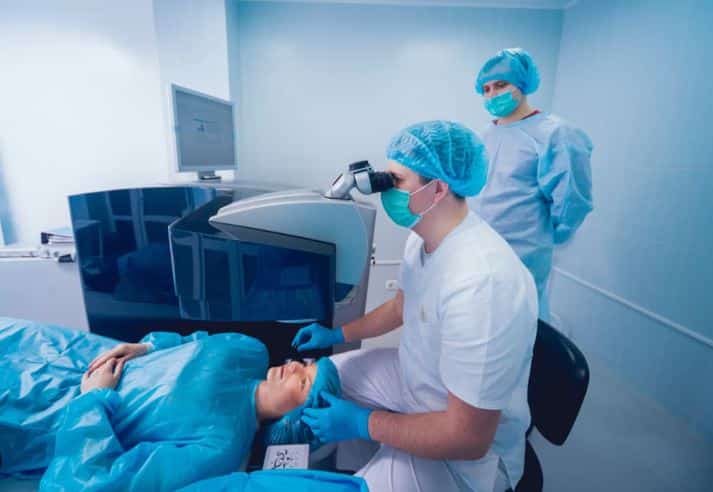
On the day of your surgery, you will be given numbing eye drops to ensure you are comfortable throughout the procedure. The surgeon will use a unique instrument called a microkeratome or femtosecond laser to create a thin flap in the cornea. The flap is then lifted to allow the laser to reshape the underlying corneal tissue. After the cornea has been reshaped, the flap is repositioned, and the surgery is complete.
Recovery and Aftercare
After the surgery, you may experience discomfort and blurry vision for a few days. You will be given eye drops to help with healing and prevent infection. Following your surgeon’s instructions for postoperative care is essential to successful recovery. Most patients can return to work and other activities within a few days of surgery.
Potential Risks and Complications
- While LASIK is a safe and effective procedure, there are potential risks and complications. These may include dry eyes, glare or halos around lights, overcorrection or under-correction of vision, and, in rare cases, vision loss. It is essential to discuss these risks with your surgeon before undergoing LASIK.
Choosing a Surgeon
When selecting a surgeon for your LASIK procedure, it is essential to choose someone who is experienced, board-certified, and has a good reputation. You should feel comfortable asking questions and discussing your concerns with your surgeon. Additionally, be wary of discounted or low-cost LASIK offers, as these may be a red flag for subpar care.
Cost of LASIK
The cost of LASIK can vary depending on several factors, including the surgeon’s experience, the technology used, and the location of the practice. While LASIK is not typically covered by insurance, many practices offer financing options to make the surgery more affordable. Researching the costs involved and factoring them into your decision-making process is essential.

LASIK can be a life-changing procedure for many people, allowing them to see clearly without needing glasses or contact lenses. By understanding what to expect before and after the surgery, you can decide whether LASIK is right for you.
If you are considering LASIK, please consult a qualified surgeon and discuss any questions or concerns. With the correct information and guidance, LASIK can give you a clear vision and improved quality of life.
==========
Content 10/10/G