
How Many Times Can You Get Lasik?
Lasik surgery, a popular refractive procedure designed to correct vision issues such as myopia, hyperopia, and astigmatism, has transformed the landscape of vision correction since its inception. However, it is crucial to recognize that Lasik is not a panacea for all vision-related problems. One of the primary limitations of Lasik surgery is its inability to address presbyopia, a condition that typically affects individuals over the age of 40, leading to difficulty in focusing on close objects.
While Lasik can significantly improve distance vision, patients may still require reading glasses as they age, which can be disappointing for those who expect a complete resolution of their vision issues. Moreover, the effectiveness of Lasik can be influenced by various factors, including the patient’s age, the severity of their refractive error, and the overall health of their eyes. For instance, individuals with thin corneas or irregular corneal shapes may not be suitable candidates for Lasik, as the procedure involves reshaping the cornea to improve vision.
Additionally, certain pre-existing conditions such as dry eye syndrome or autoimmune diseases can complicate the healing process post-surgery. Understanding these limitations is essential for potential candidates to set realistic expectations and make informed decisions about their vision correction options.
Key Takeaways
- Lasik surgery may not be suitable for everyone due to factors such as thin corneas, high prescriptions, and unstable vision.
- The number of Lasik procedures needed can be influenced by factors such as age, prescription strength, and corneal thickness.
- Choosing a qualified and experienced surgeon is crucial for a successful Lasik surgery and to minimize the risk of complications.
- Multiple Lasik procedures can increase the risk of complications such as dry eyes, glare, and halos, and may not always lead to improved vision.
- Alternative options for vision correction, such as implantable contact lenses or refractive lens exchange, should be considered for individuals who are not suitable candidates for Lasik surgery.
Factors That Determine the Number of Lasik Procedures
Prescription Stability: A Key Factor
Another significant factor is the stability of a patient’s prescription prior to surgery. Candidates whose prescriptions have fluctuated significantly over the years may find that their vision continues to change after undergoing Lasik, necessitating additional procedures.
Lifestyle Choices and Environmental Factors
Furthermore, lifestyle choices and environmental factors can also play a role; for example, individuals who spend extensive time in front of screens or in dry environments may experience changes in their vision that could lead to further surgical interventions.
Preparing for the Future
Understanding these determinants can help patients navigate their options and prepare for potential future procedures.
The Importance of Choosing a Qualified Surgeon

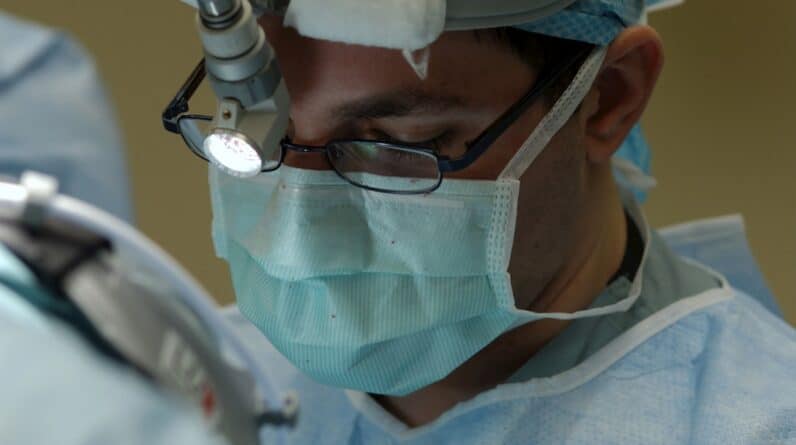
Selecting a qualified and experienced surgeon is paramount when considering Lasik surgery. The surgeon’s expertise directly impacts not only the success rate of the procedure but also the overall safety and patient satisfaction. A well-trained surgeon will conduct a thorough pre-operative evaluation, utilizing advanced diagnostic tools to assess the patient’s eye health and suitability for Lasik.
This evaluation should include corneal mapping, wavefront analysis, and assessments of tear film quality to ensure that all factors are considered before proceeding with surgery. In addition to technical skills, a surgeon’s track record and patient reviews can provide valuable insights into their practice. Prospective patients should seek out board-certified ophthalmologists who specialize in refractive surgery and have performed a significant number of Lasik procedures.
Engaging in consultations with multiple surgeons can also help patients gauge their comfort level and confidence in the surgeon’s approach. Ultimately, choosing a qualified surgeon is a critical step in minimizing risks and maximizing the chances of achieving desired visual outcomes.
The Risks and Complications of Multiple Lasik Procedures
While Lasik surgery is generally considered safe, undergoing multiple procedures can increase the risk of complications. Each surgical intervention carries inherent risks, including infection, corneal scarring, and changes in corneal shape. Patients who require enhancements after their initial surgery may experience more pronounced side effects such as glare, halos around lights, or fluctuating vision.
These complications can be particularly distressing for individuals who have already undergone one or more surgeries in hopes of achieving perfect vision. Additionally, repeated surgeries can lead to cumulative effects on the cornea’s structural integrity. The cornea is a delicate tissue that must maintain its shape and thickness for optimal function.
Excessive reshaping through multiple procedures can result in corneal ectasia, a condition characterized by progressive thinning and bulging of the cornea, which can severely impair vision and may require further surgical intervention or even corneal transplantation. Therefore, understanding these risks is essential for patients considering multiple Lasik procedures.
Alternative Options for Vision Correction
For individuals who may not be ideal candidates for Lasik or those who prefer alternatives to surgical intervention, several other vision correction options are available. One popular alternative is photorefractive keratectomy (PRK), which involves removing the outer layer of the cornea before reshaping it with a laser. Unlike Lasik, PRK does not create a flap in the cornea, making it a suitable option for patients with thin corneas or those engaged in contact sports where flap dislocation could pose a risk.
Contact lenses and eyeglasses remain traditional yet effective methods for correcting vision without surgery. Advances in lens technology have led to the development of specialized lenses such as toric lenses for astigmatism and multifocal lenses for presbyopia. Additionally, implantable contact lenses (ICLs) offer another surgical option for patients with high refractive errors who may not qualify for Lasik.
These lenses are surgically placed inside the eye without removing any corneal tissue and can be removed if necessary. Exploring these alternatives allows patients to make informed choices based on their unique visual needs and lifestyle preferences.
The Role of Age in Lasik Eligibility

Younger Candidates
Age plays a significant role in determining eligibility for Lasik surgery. Most surgeons recommend that candidates be at least 18 years old to ensure that their vision has stabilized before undergoing the procedure. In younger patients, particularly those in their late teens or early twenties, refractive errors may still be changing, which could lead to unsatisfactory results if surgery is performed too early.
Older Adults
Older adults may face additional considerations when contemplating Lasik. As individuals age, they are more likely to develop presbyopia and other age-related eye conditions such as cataracts or glaucoma. While some older patients may still be suitable candidates for Lasik, they must have realistic expectations regarding potential outcomes and limitations related to age-related changes in vision.
Comprehensive Evaluations
Surgeons often conduct comprehensive evaluations to assess not only refractive errors but also overall eye health in older candidates to determine the best course of action.
The Impact of Eye Health on Lasik Suitability
A patient’s overall eye health is a critical factor in determining suitability for Lasik surgery. Conditions such as dry eye syndrome can significantly affect both candidacy and post-operative recovery. Patients with chronic dry eyes may experience exacerbated symptoms following surgery due to changes in tear production and distribution across the cornea.
Surgeons typically recommend addressing any underlying dry eye issues before proceeding with Lasik to ensure optimal healing and comfort. Other ocular conditions such as keratoconus or severe astigmatism can also disqualify individuals from undergoing Lasik due to the increased risk of complications during and after surgery. A thorough pre-operative assessment will include evaluations for these conditions, allowing surgeons to make informed recommendations based on each patient’s unique eye health profile.
By prioritizing eye health in the decision-making process, patients can better understand their options and potential outcomes.
The Long-Term Effects of Multiple Lasik Surgeries
The long-term effects of undergoing multiple Lasik surgeries can vary significantly among individuals but often include both physical and psychological dimensions. Physically, repeated surgeries can lead to cumulative changes in corneal structure and function, increasing the likelihood of complications such as corneal ectasia or persistent dry eye symptoms. These long-term effects can impact not only visual acuity but also overall quality of life as patients navigate ongoing challenges related to their vision.
Psychologically, patients who undergo multiple procedures may experience frustration or disappointment if they do not achieve their desired outcomes after each surgery. This emotional toll can lead to anxiety about future interventions or dissatisfaction with their current vision correction methods. It is essential for patients considering multiple surgeries to engage in open discussions with their surgeons about potential long-term implications and to weigh these factors against their personal goals for vision correction.
Managing Expectations for Lasik Results
Managing expectations is crucial for anyone considering Lasik surgery. While many patients achieve excellent results and enjoy improved vision without glasses or contact lenses, it is essential to understand that outcomes can vary widely based on individual circumstances. Factors such as pre-existing eye conditions, age, and lifestyle choices all play a role in determining how successful the procedure will be for each patient.
Surgeons often emphasize the importance of realistic expectations during consultations by discussing potential outcomes based on individual assessments. Patients should be aware that while many experience significant improvements in distance vision, some may still require corrective eyewear for specific tasks such as reading or night driving. By fostering an understanding of what Lasik can realistically achieve, patients can approach the procedure with a balanced perspective that prioritizes both hope and caution.
Consultation and Evaluation Process for Lasik Candidates
The consultation and evaluation process for prospective Lasik candidates is comprehensive and multifaceted, designed to ensure that each individual receives personalized care tailored to their unique needs. During this initial visit, candidates undergo a series of tests aimed at assessing their overall eye health and suitability for surgery. These tests typically include measuring visual acuity, mapping the cornea’s surface curvature, evaluating pupil size under different lighting conditions, and assessing tear production.
In addition to these diagnostic tests, surgeons will engage candidates in detailed discussions about their medical history, lifestyle factors, and specific visual goals. This holistic approach allows surgeons to identify any potential contraindications or concerns that may affect surgical outcomes. Candidates should feel empowered to ask questions during this process to gain clarity on what to expect before, during, and after surgery.
Making Informed Decisions About Lasik Surgery
Making informed decisions about Lasik surgery requires careful consideration of various factors beyond just the desire for improved vision. Patients should take time to research different surgical options available to them while also weighing the benefits against potential risks and complications associated with each procedure. Engaging in discussions with qualified surgeons can provide valuable insights into what each option entails and help clarify any uncertainties.
Additionally, prospective candidates should consider their personal lifestyle needs when evaluating whether Lasik is right for them. For instance, individuals who lead active lifestyles or participate in contact sports may prioritize surgical options that minimize risks associated with traditional eyewear or contact lenses. Ultimately, making an informed decision involves balancing personal preferences with professional guidance from experienced surgeons who understand each patient’s unique circumstances and goals for vision correction.
FAQs
What is Lasik?
Lasik, which stands for laser-assisted in situ keratomileusis, is a surgical procedure that uses a laser to reshape the cornea in order to improve vision.
How many times can you get Lasik?
In general, Lasik can be performed more than once if needed. However, the decision to undergo a second or subsequent Lasik procedure should be made in consultation with an eye care professional, as there are factors to consider such as the health of the eye and the stability of the vision.
What are the reasons for needing multiple Lasik procedures?
Some individuals may require multiple Lasik procedures due to changes in their vision over time, such as the progression of nearsightedness, farsightedness, or astigmatism. Other reasons may include the initial procedure not achieving the desired outcome or complications arising from the first procedure.
Are there any risks associated with multiple Lasik procedures?
Undergoing multiple Lasik procedures may increase the risk of certain complications, such as dry eyes, glare, halos, and reduced night vision. It is important to discuss the potential risks with an eye care professional before deciding to undergo additional procedures.
What should I consider before getting multiple Lasik procedures?
Before considering multiple Lasik procedures, it is important to undergo a comprehensive eye examination to assess the health of the eye and the stability of the vision. It is also important to discuss the potential benefits, risks, and alternatives with an eye care professional to make an informed decision.