Lasik surgery, short for Laser-Assisted In Situ Keratomileusis, is a popular refractive eye surgery designed to correct common vision problems such as nearsightedness, farsightedness, and astigmatism. If you’ve ever found yourself squinting at the fine print or struggling to see the board in a classroom, you might be considering this procedure as a solution. The surgery involves reshaping the cornea, the clear front part of your eye, using a laser to improve how light rays are focused on the retina.
This innovative technique has transformed the lives of millions, allowing them to enjoy clearer vision without the need for glasses or contact lenses. The procedure itself is relatively quick, often taking less than 30 minutes for both eyes. You will be awake during the surgery, but numbing eye drops will ensure that you feel no pain.
The surgeon will create a thin flap in the cornea, lift it, and then use a laser to reshape the underlying tissue. After the laser treatment, the flap is repositioned, and your eye begins to heal almost immediately. Understanding the mechanics of Lasik can help alleviate any apprehensions you may have about the process and empower you to make an informed decision regarding your vision correction options.
Key Takeaways
- Lasik surgery is a popular procedure that corrects vision by reshaping the cornea
- The benefits of Lasik surgery include improved vision, reduced dependence on glasses or contacts, and quick recovery time
- Risks of Lasik surgery may include dry eyes, glare, halos, and undercorrections or overcorrections
- Age limits for Lasik surgery typically range from 18 to 40, but individual factors may vary
- Factors to consider for Lasik surgery include overall health, eye health, and realistic expectations for the outcome
The Benefits of Lasik Surgery
One of the most significant advantages of Lasik surgery is the immediate improvement in vision that many patients experience. Imagine waking up in the morning and being able to see clearly without fumbling for your glasses or putting in contact lenses. This newfound freedom can enhance your daily life in countless ways, from participating in sports to enjoying outdoor activities without the hassle of corrective eyewear.
Many patients report achieving 20/25 vision or better after the procedure, which is often sufficient for most daily tasks. In addition to the convenience of not needing glasses or contacts, Lasik surgery can also lead to long-term financial savings. While the initial cost of the procedure may seem high, consider how much you spend annually on glasses, contact lenses, and related supplies.
Over time, these expenses can add up significantly. By investing in Lasik surgery, you may find that you save money in the long run while also enjoying a higher quality of life with improved vision.
The Risks of Lasik Surgery
While Lasik surgery offers numerous benefits, it is essential to be aware of the potential risks and complications associated with the procedure. As with any surgical intervention, there are inherent risks involved. Some patients may experience dry eyes, glare, halos around lights, or fluctuating vision after surgery.
These side effects can be temporary for many individuals but may persist for some. It’s crucial to discuss these possibilities with your surgeon during your consultation to ensure you have realistic expectations. Another risk to consider is that not everyone is an ideal candidate for Lasik surgery.
Factors such as corneal thickness, overall eye health, and pre-existing conditions can affect your eligibility for the procedure. In some cases, patients may require additional treatments or enhancements after their initial surgery to achieve optimal results. Understanding these risks will help you weigh the pros and cons of Lasik surgery and make an informed decision about whether it’s right for you.
Age Limits for Lasik Surgery
When considering Lasik surgery, age plays a significant role in determining eligibility. Generally, candidates should be at least 18 years old, as this is when vision typically stabilizes. However, being older does not automatically disqualify you from undergoing the procedure.
In fact, many people in their 20s and 30s successfully undergo Lasik and enjoy its benefits. It’s essential to have a thorough eye examination and consultation with a qualified surgeon to assess your individual situation. As you age, your eyes undergo natural changes that can affect your candidacy for Lasik surgery.
For instance, individuals over 40 may begin to experience presbyopia, a condition that makes it difficult to focus on close objects. While Lasik can correct distance vision issues, it may not address presbyopia effectively. Therefore, if you’re considering Lasik later in life, it’s crucial to discuss your specific vision needs and any age-related changes with your eye care professional.
Factors to Consider for Lasik Surgery
Before deciding on Lasik surgery, there are several factors you should take into account. First and foremost is your overall eye health. Conditions such as dry eye syndrome or severe astigmatism may impact your candidacy for the procedure.
A comprehensive eye exam will help determine if you are a suitable candidate and if any underlying issues need to be addressed before proceeding. Another important consideration is your lifestyle and visual demands. If you lead an active lifestyle or work in an environment where clear vision is critical—such as in healthcare or aviation—Lasik may be particularly beneficial for you.
Additionally, think about your long-term vision goals. Are you looking for a permanent solution to your vision problems? Understanding your motivations and expectations will help guide your decision-making process.
Lasik Surgery for Young Adults
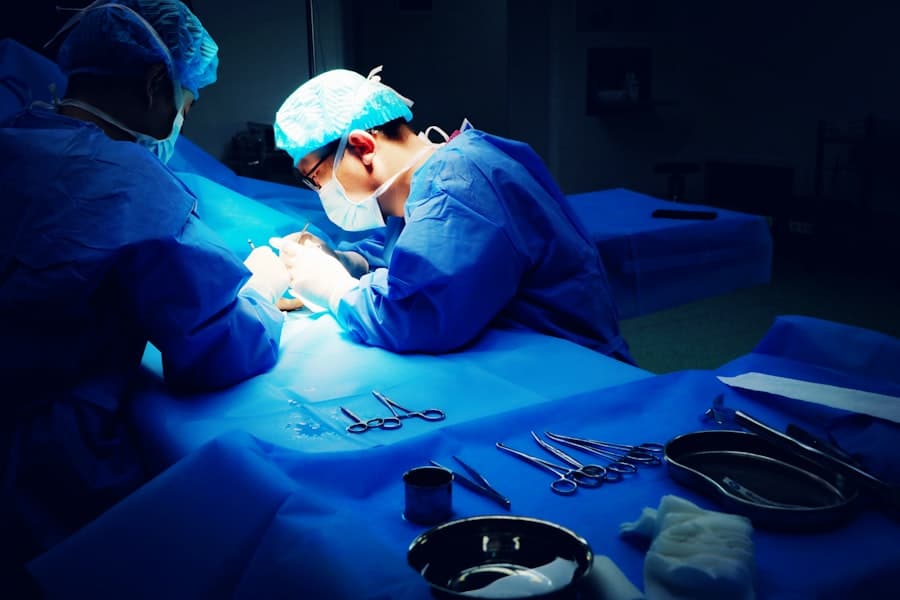
For young adults in their late teens and early twenties, Lasik surgery can be an appealing option for achieving clear vision without the hassle of glasses or contacts. At this age, many individuals are experiencing significant life changes—such as starting college or entering the workforce—where clear vision can enhance their experiences and opportunities. If you’re considering Lasik at this stage of life, it’s essential to ensure that your vision has stabilized before undergoing the procedure.
While many young adults are excellent candidates for Lasik surgery, it’s crucial to have realistic expectations about the outcomes. Your eyes are still developing during this period, and changes in your prescription may occur even after surgery. Consulting with an experienced eye care professional will help you understand whether now is the right time for you to pursue this life-changing procedure.
Lasik Surgery for Middle-Aged Adults
As you enter middle age, you may find that your vision needs change significantly. While Lasik surgery can effectively correct nearsightedness or farsightedness in this age group, it’s essential to consider other age-related conditions such as presbyopia. Many middle-aged adults experience difficulty focusing on close objects due to this natural aging process of the eye.
If you’re considering Lasik at this stage of life, discussing these changes with your surgeon will help determine if additional treatments or options are necessary. Moreover, middle-aged adults often have different lifestyle considerations compared to younger individuals. You may have established careers or family responsibilities that require clear vision for various tasks.
Understanding how Lasik can fit into your life at this stage will help you make an informed decision about whether to proceed with the surgery.
Lasik Surgery for Older Adults
For older adults considering Lasik surgery, it’s essential to approach the decision with careful consideration of individual health factors and visual needs. While many older adults have successfully undergone Lasik and achieved excellent results, age-related changes such as cataracts or macular degeneration may complicate candidacy for the procedure. A thorough evaluation by an eye care professional will help determine if Lasik is appropriate for you.
Additionally, older adults may have different expectations regarding their vision correction needs compared to younger patients. You might prioritize comfort and ease of daily activities over achieving perfect vision. Discussing these priorities with your surgeon will ensure that your treatment plan aligns with your lifestyle and visual goals.
Preparing for Lasik Surgery
Preparation is key when it comes to ensuring a successful Lasik surgery experience. Before your procedure, you’ll need to attend a comprehensive eye exam where your surgeon will assess your overall eye health and determine if you’re a suitable candidate for the surgery. This evaluation typically includes measuring your corneal thickness and mapping the surface of your eye.
In the days leading up to your surgery, there are several steps you can take to prepare yourself physically and mentally. Avoid wearing contact lenses for a specified period before your appointment, as they can alter the shape of your cornea and affect surgical outcomes. Additionally, arrange for someone to drive you home after the procedure since your vision may be temporarily blurry immediately following surgery.
Post-Operative Care for Lasik Surgery
After undergoing Lasik surgery, proper post-operative care is crucial for ensuring optimal healing and results. You’ll likely receive specific instructions from your surgeon regarding how to care for your eyes in the days following the procedure. This may include using prescribed eye drops to prevent dryness and reduce inflammation.
It’s also essential to avoid activities that could strain your eyes during the initial recovery period. This includes refraining from swimming or using hot tubs for at least a few weeks post-surgery. Additionally, be mindful of screen time; while many people return to work within a day or two after surgery, limiting exposure to screens can help reduce discomfort during recovery.
Finding the Right Lasik Surgery Provider
Choosing the right provider for your Lasik surgery is one of the most critical steps in ensuring a successful outcome. Start by researching reputable clinics in your area and reading reviews from previous patients. Look for providers who have extensive experience performing Lasik surgeries and are equipped with advanced technology.
During consultations with potential surgeons, don’t hesitate to ask questions about their qualifications and success rates with similar cases. A trustworthy provider will take the time to address your concerns and provide clear information about what to expect throughout the process. By taking these steps, you’ll be well on your way to making an informed decision about your vision correction journey through Lasik surgery.
FAQs
What is the minimum age for Lasik surgery in Frisco, TX?
The minimum age for Lasik surgery in Frisco, TX is typically 18 years old. However, some surgeons may require patients to be at least 21 years old to ensure that their vision has stabilized.
Is there a maximum age for Lasik surgery in Frisco, TX?
There is no specific maximum age for Lasik surgery in Frisco, TX. However, older patients may have age-related eye conditions that could affect their eligibility for the procedure. It is best to consult with a qualified eye surgeon to determine if Lasik surgery is suitable for older individuals.
Yes, age-related factors such as presbyopia (difficulty focusing on close objects), cataracts, and other age-related eye conditions may affect eligibility for Lasik surgery. It is important to undergo a comprehensive eye examination to determine if Lasik surgery is a suitable option based on individual circumstances.
What should individuals consider regarding age and Lasik surgery in Frisco, TX?
Individuals should consider that while age is a factor in determining eligibility for Lasik surgery, it is not the only consideration. Other factors such as overall eye health, corneal thickness, and refractive stability also play a significant role in determining candidacy for the procedure. It is important to consult with a qualified eye surgeon to discuss individual circumstances and determine the best course of action.