If you’re considering LASIK surgery, it’s important to understand the various factors that can influence the cost. From the type of procedure to the clinic you choose, there are several elements that can impact the overall price. By understanding these factors, you can make an informed decision about which option is best for you and your budget.

Type of LASIK Surgery
Bladeless LASIK
Bladeless LASIK, also known as all-laser LASIK, is a modern and advanced form of LASIK surgery. In this procedure, a femtosecond laser is used to create a thin corneal flap, instead of using a microkeratome blade. This precise and controlled method allows for a more accurate corneal flap, resulting in better visual outcomes and faster recovery. Bladeless LASIK is a popular choice among patients due to its safety, precision, and effectiveness in correcting refractive errors.
Traditional LASIK
Traditional LASIK, also known as standard LASIK, involves the use of a microkeratome, a mechanical blade, to create the corneal flap. While this method has been used for many years and has proven to be effective, it does have some disadvantages compared to bladeless LASIK. The use of a blade in traditional LASIK may lead to a slightly higher risk of complications and a longer recovery time. However, traditional LASIK is still a viable option for those who may not be suitable candidates for bladeless LASIK.
Custom LASIK
Custom LASIK, also known as wavefront-guided LASIK, takes into account the unique characteristics of each individual’s eye. This procedure uses a wavefront analyzer to measure and map the imperfections in the cornea, allowing for a personalized treatment plan. Custom LASIK offers enhanced precision and accuracy, resulting in improved visual quality and reduced risk of post-operative glare and halos. This advanced technology is particularly beneficial for patients with higher-order aberrations or irregular astigmatism.
Surgeon’s Experience and Expertise
Qualified and Experienced Surgeon
Choosing a qualified and experienced LASIK surgeon is crucial in ensuring a successful outcome. Look for a surgeon who is board-certified and has undergone specialized training in refractive surgery. A surgeon’s experience can greatly impact the safety, accuracy, and effectiveness of the procedure. Ask about the surgeon’s years of experience in performing LASIK surgeries and inquire about their success rates.
Surgeon’s Reputation
In addition to experience, consider the reputation of the surgeon. Look for reviews and testimonials from previous patients to get an idea of their satisfaction levels and the quality of care they received. A surgeon with a positive reputation and high patient satisfaction is more likely to provide excellent results and a positive overall experience.
Patient Reviews and Testimonials
Reading patient reviews and testimonials can provide valuable insights into the surgeon’s skills, the clinic’s facilities, and the overall patient experience. Pay attention to the experiences of patients who had similar vision issues or prescriptions as yours. Their feedback can help you gauge the surgeon’s ability to effectively address your specific needs and concerns.

Technology and Equipment Used
Advanced Laser Technology
The type of laser technology used during LASIK surgery can significantly impact the outcome. Look for clinics that utilize advanced laser platforms, such as the excimer laser, which is known for its precision and safety in reshaping the cornea. Sophisticated laser systems allow for greater customization and accuracy, resulting in better visual outcomes and reduced risks.
Femtosecond Laser vs Microkeratome
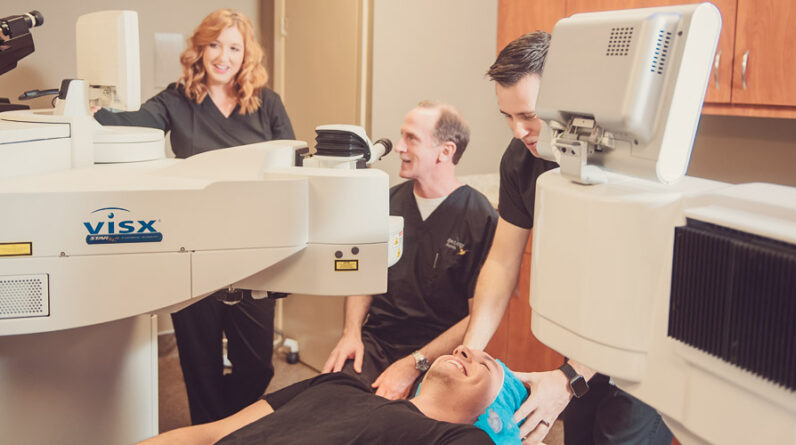
In bladeless LASIK, the femtosecond laser is used to create the corneal flap, whereas traditional LASIK involves the use of a microkeratome blade. The femtosecond laser provides a higher level of precision and accuracy, as it allows for the creation of a thinner and more predictable corneal flap. This reduces the risk of complications and enhances the overall safety of the procedure.
Wavefront Analyzer
Custom LASIK utilizes a wavefront analyzer to measure and analyze the unique imperfections of each individual’s eye. This advanced technology provides a detailed map of the corneal irregularities, allowing for a personalized treatment plan. By addressing these specific visual aberrations, wavefront-guided LASIK can lead to improved visual acuity and less post-operative glare and halos.
Clinic and Facility Quality
Accreditation and Certifications
When choosing a LASIK clinic, it is important to ensure that they meet high-quality standards. Look for clinics that are accredited by reputable organizations, such as the American Society of Cataract and Refractive Surgery (ASCRS) and the Accreditation Association for Ambulatory Health Care (AAAHC). These accreditations indicate that the clinic has undergone rigorous evaluations and adheres to strict safety and quality guidelines.
Cleanliness and Safety Standards
The cleanliness and safety of the clinic’s facilities are paramount to minimizing the risk of infections or complications. Take note of the clinic’s adherence to proper sterilization protocols, as well as their overall cleanliness and organization. A well-maintained and hygienic facility provides a comforting and safe environment for your LASIK surgery.
Patient Care and Comfort
The level of patient care and comfort provided by the clinic is crucial in ensuring a positive LASIK experience. Pay attention to how the staff interacts with patients and how they address their concerns and questions. A clinic that prioritizes patient satisfaction and goes the extra mile in providing personalized care can significantly enhance the overall experience.

Geographical Location
Metropolitan Areas vs Rural Areas
The geographical location of the LASIK clinic can influence the cost of the procedure. Generally, clinics located in metropolitan areas tend to have higher costs due to factors such as higher rent, staff wages, and overhead expenses. On the other hand, clinics located in rural areas may have lower costs due to lower operating expenses. However, it is essential to consider the accessibility and convenience of the clinic’s location, as frequent post-operative visits may be required.
Cost of Living Index
The cost of living index of the city or region where the LASIK clinic is located can also affect the overall cost of the procedure. Cities with a higher cost of living may have higher LASIK prices compared to areas with a lower cost of living. Consider the cost of various necessities, such as housing, transportation, and food, when evaluating the overall affordability of the LASIK surgery in different locations.
Average Cost in Different Cities
The average cost of LASIK surgery can vary significantly from one city to another. Factors such as local competition, market demand, and the cost of operating in a particular area can influence the prices charged by LASIK clinics. Research the average costs in different cities to get an idea of the range you can expect. However, keep in mind that the cost should not be the sole determining factor in choosing a clinic, as the quality and expertise of the surgeon are paramount to achieving optimal outcomes.
Extent of Vision Prescription
Nearsightedness vs Farsightedness
The extent and type of refractive error, such as nearsightedness or farsightedness, can impact the cost of LASIK surgery. Typically, correcting higher degrees of refractive errors requires more precise and complex procedures, which can increase the overall cost. Additionally, farsightedness may require additional treatments, such as monovision LASIK, to address age-related changes in vision.
Strong Prescription vs Mild Prescription
The strength of your vision prescription can also affect the cost of LASIK surgery. Patients with a higher degree of refractive error may require more extensive corneal reshaping, which can increase the complexity and cost of the procedure. Conversely, patients with milder prescriptions may require less laser ablation, resulting in a lower overall cost. It is important to note that the extent of your vision prescription should not compromise the quality of care or the expertise of the surgeon you choose.
Astigmatism
Astigmatism is a common refractive error characterized by an irregularly shaped cornea. Correcting astigmatism during LASIK surgery involves additional steps and specialized laser treatments, which can impact the cost of the procedure. The complexity of astigmatism correction should be considered when evaluating the overall cost, as it often requires additional expertise and skill from the surgeon.

Provider/Insurance Coverage
Insurance Coverage of LASIK
While many insurance plans do not cover LASIK surgery, some providers offer specific vision insurance policies that may include partial or full coverage for the procedure. Review your insurance policy and inquire about any LASIK coverage options available. Keep in mind that insurance coverage may be limited to certain providers or specific criteria.
In-Network vs Out-of-Network Providers
If you have insurance coverage for LASIK, consider whether the LASIK clinics you are considering are in-network or out-of-network providers. In-network providers often have negotiated rates and agreements with insurance companies, which can result in lower out-of-pocket costs for the patient. Out-of-network providers may require higher co-pays or may not be covered by insurance at all. Carefully review your insurance policy and check with your insurance provider for a list of in-network LASIK surgeons.
Flexible Spending Accounts (FSA)
Flexible Spending Accounts (FSAs) are employer-sponsored accounts that allow you to set aside pre-tax dollars to be used for certain medical expenses. LASIK surgery is an eligible expense that can be paid for with funds from your FSA. If you have an FSA, consider utilizing these funds to help offset the cost of LASIK surgery. It is important to note that FSA funds are typically “use it or lose it,” meaning they must be utilized within the designated period or they will be forfeited.
Consultation and Pre-Operative Fees
Initial Consultation Fee
Before undergoing LASIK surgery, most clinics require an initial consultation to determine if you are an eligible candidate for the procedure. Some clinics charge a separate fee for this consultation, while others include it in the overall cost of the surgery. Inquire about the consultation fee beforehand to ensure you are aware of any additional costs.
Pre-Operative Examination Fee
In addition to the initial consultation, LASIK clinics may require a pre-operative examination fee. This fee covers the cost of comprehensive eye examinations and diagnostic tests to assess the health of your eyes and determine the most suitable treatment plan. Understanding the pre-operative examination fee will help you budget for the overall cost of the LASIK surgery.
Additional Diagnostic Tests
Depending on your specific eye condition and medical history, additional diagnostic tests may be necessary before proceeding with LASIK surgery. These tests can include corneal topography, corneal thickness measurements, and pupil size evaluations. While these tests are essential for determining the suitability of the procedure and ensuring optimal outcomes, they may incur additional costs. Discuss these potential fees with your LASIK surgeon during the initial consultation.

Post-Operative Care and Enhancement
Follow-up Visits and Check-ups
After LASIK surgery, regular follow-up visits and check-ups are necessary to monitor the healing process and ensure that your vision is stabilizing. These post-operative visits are typically included in the overall cost of the surgery. However, it is important to confirm the number of follow-up visits included and inquire about any additional fees that may apply for subsequent visits beyond the specified number.
Post-Surgery Medications
Following LASIK surgery, you may be prescribed medications, such as antibiotic or anti-inflammatory eye drops, to aid in the healing process and prevent infection. The cost of these medications may or may not be included in the overall cost of the surgery. Inquire with the LASIK clinic about the medications that will be prescribed and any associated costs.
Possible Enhancement Procedures
While LASIK surgery has high success rates, there is a small percentage of patients who may require additional procedures to achieve their desired visual outcomes. These enhancement procedures are usually performed after the initial surgery has fully healed. Inquire about the clinic’s policies regarding enhancement procedures and any associated fees that may apply, should they become necessary. Understanding the potential costs of enhancement procedures is important when evaluating the overall value and long-term cost of LASIK surgery.
Overall Value and Lifetime Cost
Factors Beyond Initial Cost
When comparing LASIK surgery costs, it is important to consider factors beyond the initial price tag. The expertise and experience of the surgeon, the technology and equipment used, and the overall quality of care provided are all vital to achieving optimal results and long-term satisfaction. While it may be tempting to choose the lowest-priced option, it is crucial to prioritize safety, quality, and the likelihood of achieving your desired visual outcomes.
Long-Term Satisfaction and Quality of Life
LASIK surgery is an investment in your vision and overall quality of life. Consider the long-term benefits and satisfaction associated with the procedure when evaluating the overall value. The freedom from glasses or contact lenses, improved visual acuity, and increased confidence can greatly enhance your quality of life for years to come. While the initial cost may be a significant consideration, the long-term satisfaction and improved daily experience should also be taken into account.
Warranty and Guarantee
Some LASIK clinics offer warranties or guarantees that provide additional peace of mind. These comprehensive programs often cover potential enhancement procedures or retreatments at no additional cost for a specified period after the initial surgery. Inquire about the warranty and guarantee options offered by the LASIK clinics you are considering and carefully review their terms and conditions. Having the assurance of a warranty or guarantee can provide added confidence in your decision to undergo LASIK surgery.
In conclusion, when evaluating the cost of LASIK surgery, it is important to consider multiple factors, including the type of LASIK surgery, the surgeon’s experience and reputation, the technology and equipment used, the quality of the clinic and facilities, the geographical location, the extent of vision prescription, insurance coverage, consultation and pre-operative fees, post-operative care, and the overall value and lifetime cost. By considering all these aspects, you can make an informed decision that takes into account both the cost and the quality of the LASIK surgery, leading to optimal visual outcomes and enhanced quality of life.