If you’ve ever wondered whether LASIK is a painful procedure, you’re not alone. Many people considering laser eye surgery have concerns about the discomfort they may experience during the surgery. In this article, we will explore the topic of LASIK pain and provide you with useful information to help alleviate any fears you may have. So, whether you’re considering LASIK for yourself or simply curious about the procedure, read on to discover the truth about the potential pain associated with LASIK.
Procedure Overview
LASIK, or laser-assisted in situ keratomileusis, is a popular surgical procedure that is used to correct vision problems such as nearsightedness, farsightedness, and astigmatism. During the LASIK procedure, a laser is used to reshape the cornea, allowing light to properly focus on the retina and improve vision.
What is LASIK?
LASIK is a refractive surgery that aims to reduce dependence on glasses or contact lenses. It is a quick and effective procedure that has provided clear vision for millions of people worldwide. By reshaping the cornea, LASIK can correct refractive errors and improve visual acuity.

How does LASIK work?
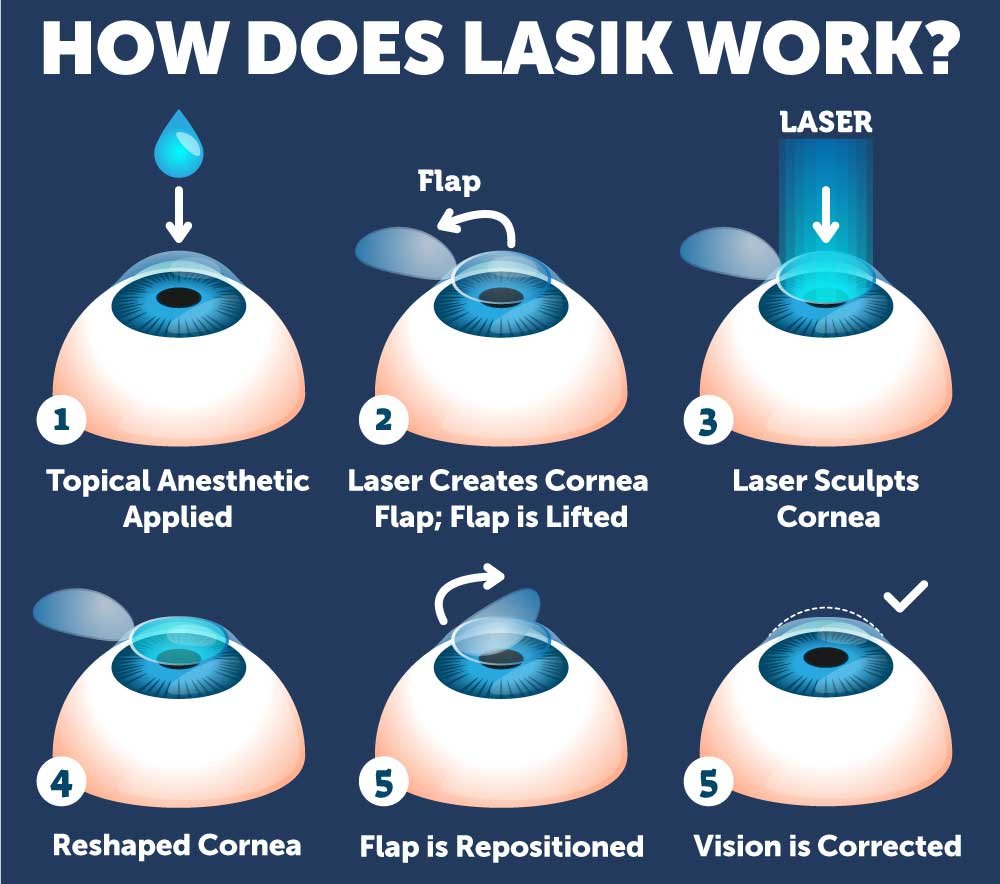
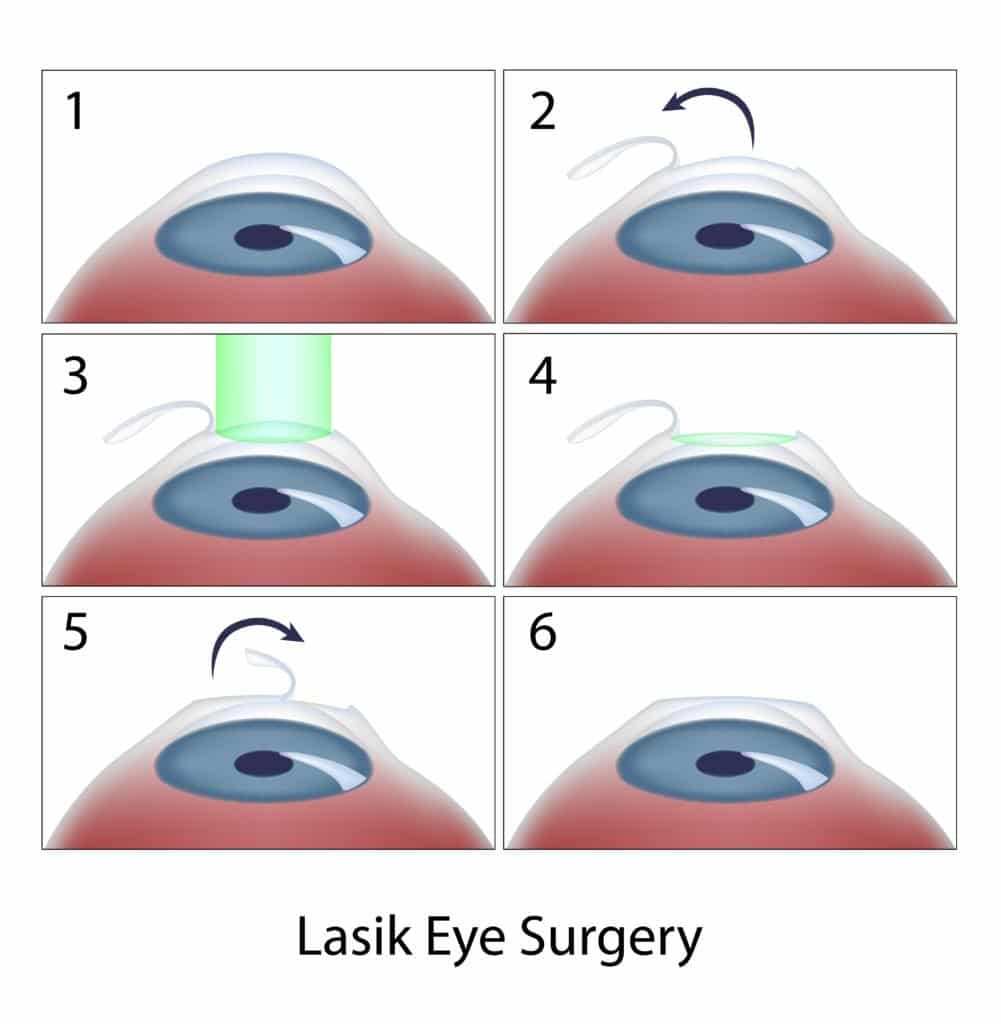
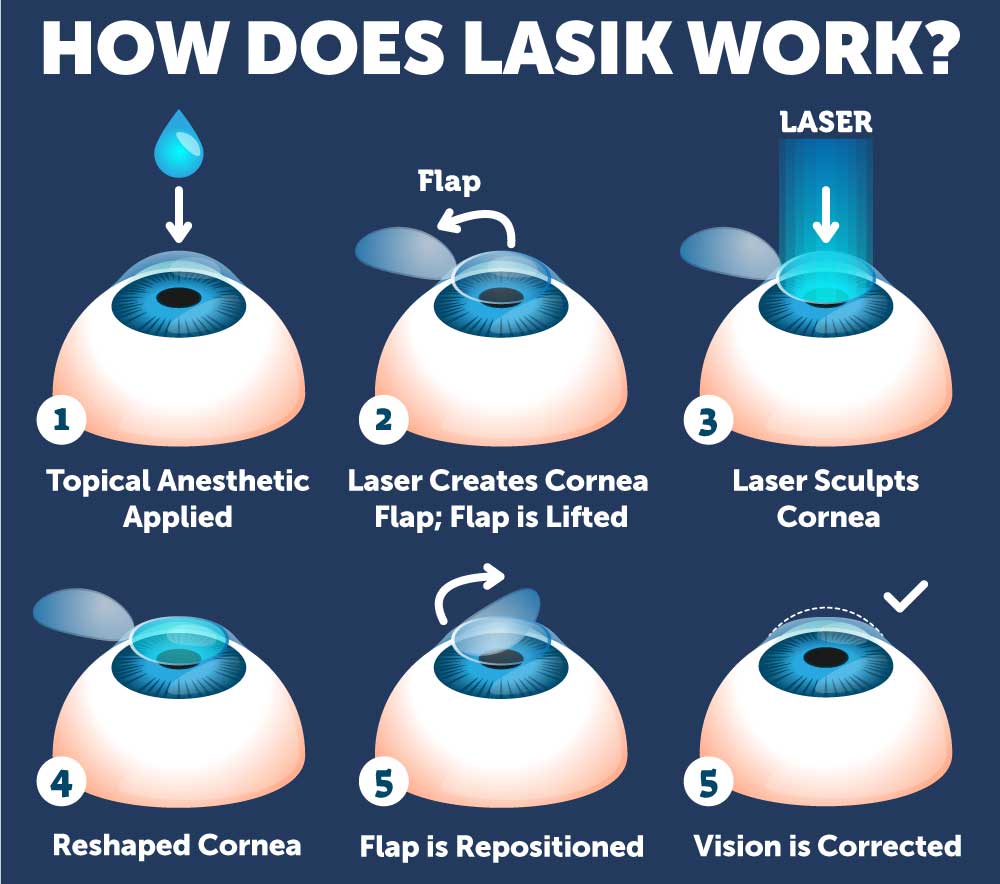
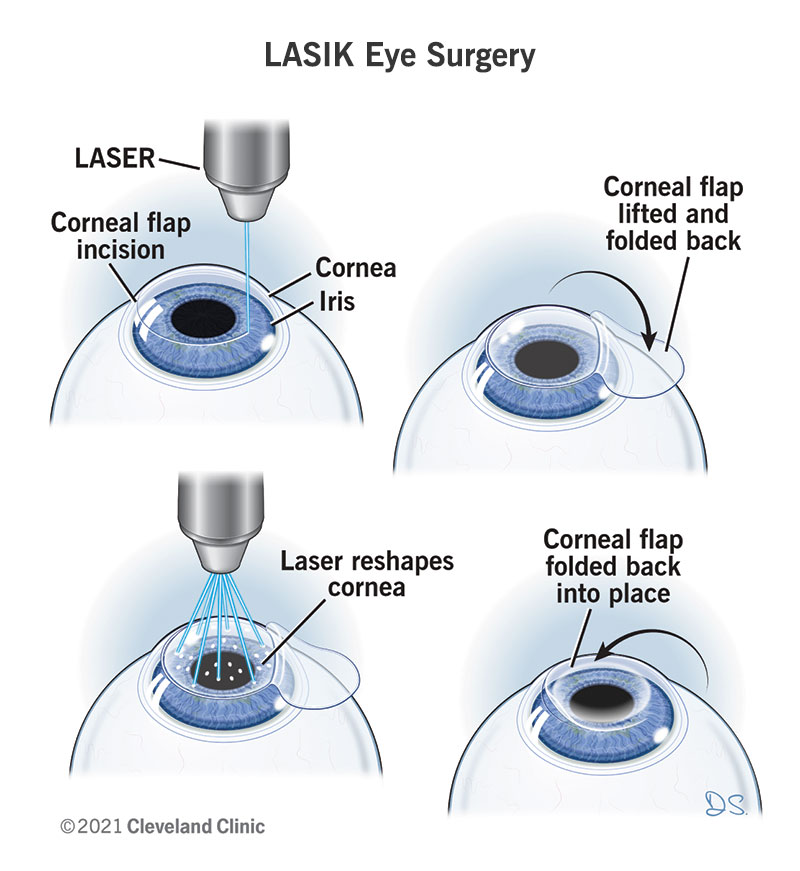
LASIK works by creating a thin flap on the cornea to access the underlying tissue. A laser is then used to reshape the cornea, correcting any irregularities and improving vision. After the cornea is reshaped, the flap is repositioned, and the eye begins to heal. The reshaped cornea allows light to properly focus on the retina, resulting in clearer vision.
Preparation for LASIK
Before undergoing LASIK, it is necessary to undergo a comprehensive eye examination to determine your eligibility for the procedure. Your eye doctor will evaluate the shape and thickness of your cornea, measure your refractive error, and assess the overall health of your eyes. It is important to follow any pre-operative instructions given by your surgeon, which may include discontinuing the use of contact lenses and avoiding eye makeup.
The LASIK procedure
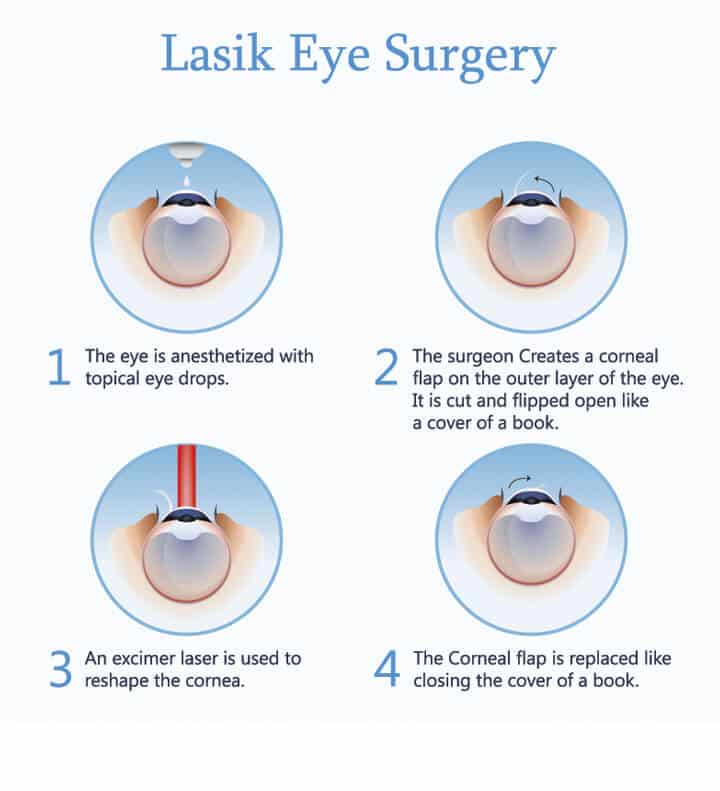
During the LASIK procedure, you will be positioned comfortably on a specialized chair. Your eye will be numbed with eye drops to ensure minimal discomfort throughout the surgery. A small device called a lid speculum will be used to keep your eyelids open. Your surgeon will create a corneal flap using a microkeratome or a femtosecond laser. The flap will be lifted, and the laser will reshape the cornea based on your unique prescription. The flap will then be repositioned, and the surgery is complete. The entire procedure typically takes only 10 to 15 minutes per eye.
Sensations during the Procedure
Numbing the Eye
Before the LASIK procedure begins, your eye will be numbed with eye drops. This ensures that you will not feel any pain during the surgery. The numbing drops may cause some temporary stinging or burning sensation, but this discomfort is usually mild and short-lived.
Pressure and Discomfort
During LASIK, some sensations of pressure and discomfort may be experienced. This is normal and occurs as the surgeon creates the corneal flap and reshapes the underlying tissue. The pressure sensations are generally well-tolerated and do not cause significant pain. Additionally, the discomfort is temporary and subsides shortly after the procedure.
Vision Interruptions
Throughout the LASIK procedure, you may experience temporary interruptions in your vision. This can include blurry or hazy vision, as well as seeing flashes of light or colors. These visual interruptions are a normal part of the surgery and are typically short-lived. Your surgeon will guide you through these moments and ensure that you are comfortable throughout the procedure.
Post-Procedure Sensations
Immediate Post-Op Discomfort
After LASIK surgery, it is common to experience some mild discomfort or irritation in the treated eye. This can include a gritty or foreign body sensation, tearing, or a mild burning feeling. These sensations usually resolve within a few hours or a day after the surgery. It is important to follow your surgeon’s instructions regarding post-operative care and the use of prescribed medications to alleviate any discomfort.
Dry Eyes
A common side effect of LASIK is temporary dryness of the eyes. This occurs because the surgery can temporarily disrupt the normal tear film on the surface of the eye. Your surgeon may prescribe artificial tears or lubricating eye drops to help alleviate dry eye symptoms. It is important to use these drops as directed to maintain eye comfort during the healing process.
Sensitivity to Light
Following LASIK surgery, you may experience increased sensitivity to light, also known as photophobia. This sensitivity is usually temporary and gradually improves as the eyes heal. Wearing sunglasses or avoiding bright lights can help reduce discomfort during this period. If sensitivity to light persists or worsens, it is important to consult your surgeon.
Halos and Glare
Some patients may notice an increase in halos and glare around lights after LASIK surgery, especially in low-light conditions or at night. These visual disturbances are usually temporary and diminish as the eyes heal. If halos and glare persist or significantly affect your daily activities, it is important to contact your surgeon for further evaluation.
Itching and Burning Sensations
Occasionally, patients may experience itching or burning sensations in their eyes after LASIK surgery. These sensations are usually mild and temporary, and can be alleviated with prescribed medications or lubricating eye drops. It is important not to rub your eyes, as this can disrupt the healing process and potentially lead to complications.
Managing Pain and Discomfort
Medications
To manage discomfort after LASIK surgery, your surgeon may prescribe pain medications or recommend over-the-counter pain relievers. It is important to follow the prescribed dosage and instructions for any medications. If you have any concerns or experience severe pain that persists, it is important to contact your surgeon.
Using Eye Drops
Following LASIK surgery, your surgeon will provide specific instructions on the use of eye drops to promote healing and reduce any discomfort. These drops may include lubricating eye drops, antibiotic drops, or anti-inflammatory drops. It is crucial to use the prescribed eye drops as directed to ensure a smooth recovery and minimize any pain or discomfort.
Avoiding Activities
During the initial healing period, it is important to avoid certain activities that may increase the risk of injury or discomfort. Your surgeon may advise you to avoid swimming, strenuous exercise, or activities that expose your eyes to dust or irritants. By following these instructions, you can minimize the risk of pain and discomfort during the healing process.
Wearing Protective Eyewear
To protect your eyes during the recovery period, your surgeon may recommend wearing protective eyewear, such as goggles or sunglasses. This can help shield your eyes from dust, debris, and bright lights, reducing the risk of further discomfort or complications. Wearing the recommended protective eyewear outdoors or during activities can contribute to a more comfortable healing experience.
Individual Variations
Pain Tolerance
Pain tolerance varies among individuals, and the level of discomfort experienced during LASIK surgery can differ from person to person. Some individuals may describe LASIK as painless, with only minimal sensations of pressure or discomfort. However, others may have a lower pain tolerance and experience more discomfort during the procedure. It is important to communicate with your surgeon about any concerns regarding pain or discomfort to ensure a personalized and comfortable experience.
Corneal Thickness
Corneal thickness plays a significant role in the LASIK procedure and can influence the sensations experienced during and after surgery. Thinner corneas may require the creation of a thinner flap, which can result in slightly more pressure sensations. Conversely, thicker corneas may result in less pressure or discomfort. Your surgeon will evaluate your corneal thickness and take this factor into account when designing your LASIK treatment plan.
Surgical Technique
The specific LASIK surgical technique used can also impact the level of pain or discomfort experienced during the procedure. Advancements in LASIK technology, such as bladeless LASIK or femtosecond laser technology, have allowed for more precise and gentle corneal flap creation, reducing discomfort. Discussing the available surgical techniques with your surgeon can help you make an informed decision and potentially minimize any potential pain or discomfort.
Person’s Perception
An individual’s perception of pain can also play a role in their experience of LASIK surgery. Some people may anticipate or fear pain, leading them to perceive mild discomfort as more intense. Others may approach the procedure with a positive mindset and have a more relaxed experience. By discussing any fears or concerns with your surgeon and having realistic expectations, you can better manage your perception of pain and ensure a smoother LASIK experience.
Comparing LASIK to Other Procedures
Traditional LASIK vs. Bladeless LASIK
Traditional LASIK involves the use of a microkeratome, a mechanical device, to create the corneal flap. Bladeless LASIK, on the other hand, utilizes advanced femtosecond laser technology to create the flap. Bladeless LASIK has the potential to reduce pain and discomfort during the procedure due to its precise and gentle flap creation. However, both traditional and bladeless LASIK are highly effective and safe procedures, with similar long-term visual outcomes.
PRK vs. LASIK
Photorefractive keratectomy (PRK) is another popular laser eye surgery that can correct vision problems. Unlike LASIK, PRK involves removing the surface layer of the cornea instead of creating a flap. PRK generally involves a slightly longer recovery period and may result in more discomfort during the initial healing phase. However, the long-term visual outcomes of PRK are comparable to LASIK. Your surgeon can provide information on the differences between PRK and LASIK to determine the most suitable procedure for you.
LASIK vs. Contact Lenses
LASIK is often compared to the use of contact lenses in terms of convenience and comfort. While contact lenses can be a convenient option, they require regular maintenance and can cause discomfort or dryness in some individuals. LASIK offers a more permanent solution to vision correction, eliminating the need for daily contact lens wear. By discussing your lifestyle, preferences, and visual needs with your surgeon, you can determine whether LASIK or contact lenses are the best option for you.
Factors Affecting Pain Perception
Patient Anxiety
Anxiety and fear can amplify the perception of pain or discomfort during LASIK surgery. If you are feeling anxious or nervous about the procedure, it is crucial to communicate your concerns with your surgeon. They can provide reassurance, explain the process in detail, and may offer relaxation techniques or sedation if needed. By addressing anxiety before the surgery, you can potentially minimize the impact on your pain perception.
Surgeon Experience
The experience and skill of the surgeon performing LASIK can also affect the level of pain or discomfort during the procedure. A highly experienced surgeon will be able to minimize discomfort by performing the surgery efficiently and utilizing the latest techniques. It is important to choose a reputable surgeon who has a proven track record of successful LASIK procedures to ensure a smooth and comfortable experience.
Pre- and Post-Op Instructions
Following pre- and post-operative instructions provided by your surgeon can significantly influence your pain perception. By properly preparing for the surgery and adhering to the recommended post-operative care, you can promote a healthy healing process and minimize any potential discomfort. It is important to attend all follow-up appointments and inform your surgeon of any concerns or changes in your symptoms.
Realistic Expectations
Having realistic expectations about LASIK surgery is crucial to managing pain perception. While LASIK is generally a well-tolerated procedure, it is important to understand that some level of discomfort or sensations may be experienced during and after the surgery. By discussing your expectations with your surgeon and understanding the potential sensations involved, you can approach the procedure with a more informed and realistic mindset.
Patient Experiences
Positive Experiences
Many individuals who have undergone LASIK surgery report positive experiences. They often describe the procedure as quick, comfortable, and life-changing. Patients frequently express gratitude for improved vision and freedom from glasses or contact lenses. Positive experiences are common, and the majority of LASIK patients are satisfied with their results.
Negative Experiences
While negative experiences are less common, they can occur. Some individuals may experience more discomfort during LASIK surgery or have complications that result in prolonged pain or visual disturbances. These negative experiences are often rare and are typically associated with underlying factors or complications. It is crucial to communicate any concerning or persistent symptoms to your surgeon for appropriate evaluation and management.
Risks and Complications
Potential Risks
As with any surgical procedure, LASIK carries some risks. These risks can include infection, dry eye syndrome, fluctuating vision, undercorrection or overcorrection, or the need for additional surgeries. However, severe complications are rare, and the majority of LASIK patients experience improved vision without significant issues. It is important to discuss the potential risks with your surgeon and have a comprehensive understanding of the procedure before making a decision.
Rare Complications
While rare, certain complications can occur following LASIK surgery. These complications can include corneal ectasia, a condition where the cornea bulges and leads to vision distortion, or epithelial ingrowth, where cells from the surface of the cornea grow under the flap. These complications are highly uncommon, but it is essential to be aware of their existence and understand the signs and symptoms. Regular follow-up appointments and open communication with your surgeon can help detect and address any potential complications early.
Conclusion
LASIK surgery is a highly effective and safe procedure for correcting vision problems. While some sensations of pressure and discomfort may be experienced during the procedure, LASIK is generally considered a well-tolerated surgery. Post-operative discomfort such as dry eyes, sensitivity to light, and itching usually resolve within a short period. By following the recommended post-operative care instructions, managing pain with prescribed medications or eye drops, and having realistic expectations, you can enhance your LASIK experience and enjoy the long-lasting benefits of improved vision. It is important to consult with a qualified LASIK surgeon and discuss any concerns or questions you may have to ensure a successful and comfortable outcome.