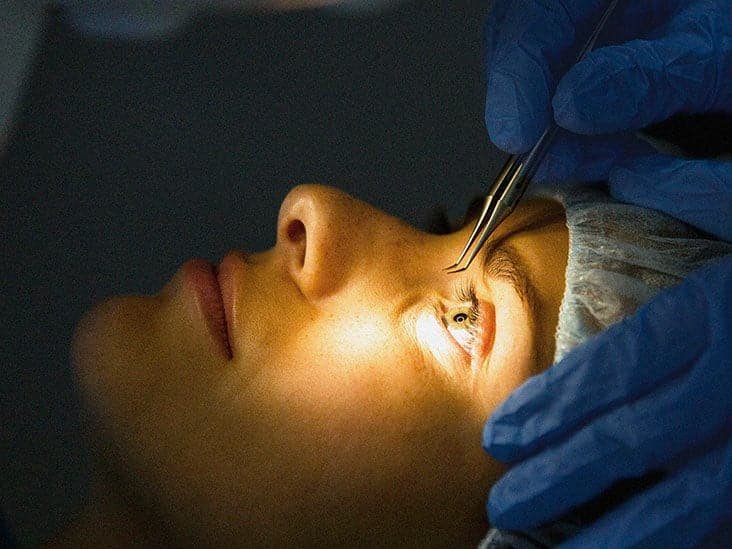
If you’ve been contemplating laser eye surgery as a solution to your vision problems, it’s vital to understand the risks involved and the specific factors that may disqualify you as a candidate. Laser eye surgery can be a life-changing procedure for many, but it’s not suitable for everyone. In this article, we will explore the potential risks and considerations associated with this popular vision correction technique, as well as identify those individuals who should steer clear of laser eye surgery. It’s essential to gather all the necessary information to make an informed decision about your eye health.
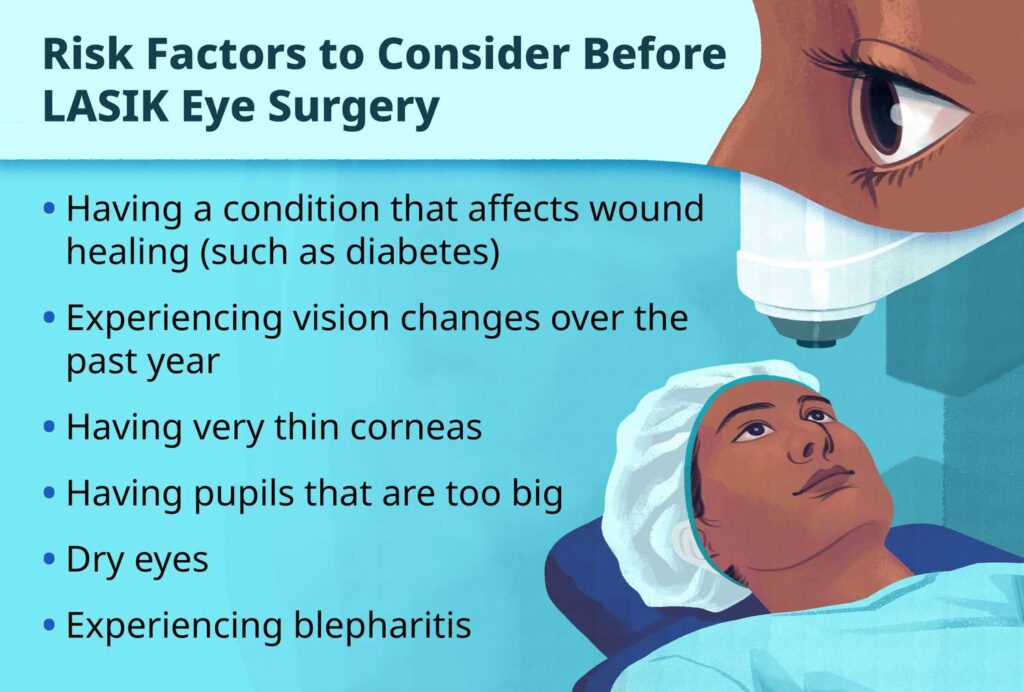
Risks and Considerations of Laser Eye Surgery
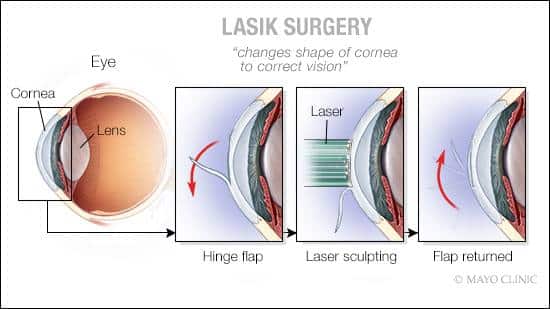
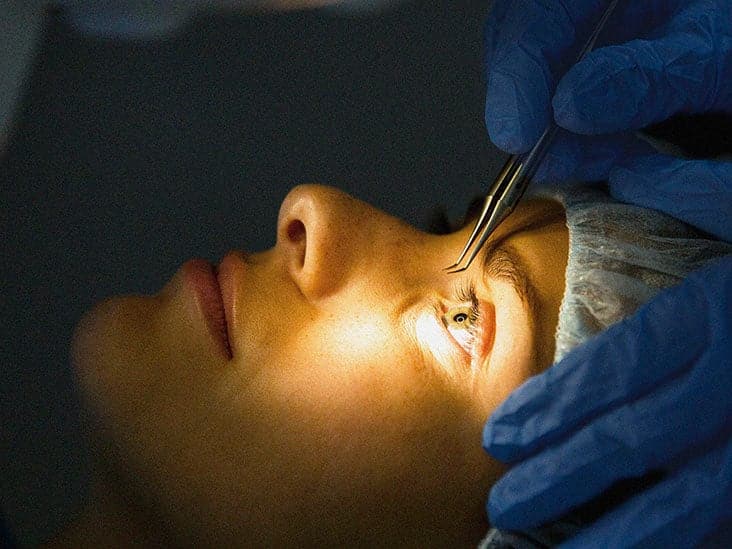
Laser Eye Surgery, also known as refractive surgery, is a surgical procedure that uses lasers to reshape the cornea in order to correct common vision problems such as nearsightedness, farsightedness, and astigmatism. While this procedure has become increasingly popular over the years due to its potential to improve vision and reduce the dependence on glasses or contact lenses, it is important to understand the risks and considerations associated with it.
Definition of Laser Eye Surgery
Laser Eye Surgery refers to a range of procedures that utilize lasers to reshape the cornea, the clear front surface of the eye. By altering the shape of the cornea, the procedure aims to correct refractive errors and improve vision. The most common types of Laser Eye Surgery include LASIK (Laser-Assisted In Situ Keratomileusis) and PRK (Photorefractive Keratectomy).
Risks and Complications of Laser Eye Surgery
While Laser Eye Surgery can be an effective option for many individuals, it is crucial to consider the potential risks and complications that may arise from the procedure. Some of the most common risks include:
Dry Eyes
One of the most common side effects of Laser Eye Surgery is temporary dry eyes. This occurs due to a decrease in tear production during the healing process. However, it is important to note that for most patients, this condition resolves within a few months after the surgery. In rare cases, dry eye symptoms can persist for a longer period of time.
Glare, Halos, and Double Vision
Some individuals may experience visual disturbances after Laser Eye Surgery, such as glare, halos around lights, or double vision. These side effects are usually temporary but can be more pronounced during the initial stages of the healing process. Most patients find that these symptoms improve gradually over time.
Fluctuating Vision
It is common for patients to experience fluctuations in their vision following Laser Eye Surgery. This can include periods of clear vision interspersed with periods of blurry vision. These fluctuations are typically temporary and tend to stabilize as the eye heals.
Undercorrection or Overcorrection
In some cases, the desired outcome of Laser Eye Surgery may not be fully achieved. This can result in undercorrection, where the procedure does not fully correct the refractive error, or overcorrection, where the refractive error is overcorrected. In such cases, additional enhancement procedures may be required to achieve the desired visual outcome.
Infection
As with any surgical procedure, there is a risk of infection following Laser Eye Surgery. However, the chance of developing an infection is extremely low, thanks to the use of sterile techniques during the surgery and the application of antibiotic eye drops afterward.
Regression
In certain cases, the initial improvement in vision achieved through Laser Eye Surgery may gradually diminish over time. This is known as regression and can occur due to natural aging processes or other factors. In such cases, a follow-up procedure may be necessary to maintain or enhance the results.
Epithelial Ingrowth
Epithelial ingrowth occurs when cells from the outer layer of the cornea grow under the flap created during LASIK surgery. While this condition is rare, it can cause visual disturbances and may require additional treatment.
Corneal Ectasia
Corneal ectasia is a rare but serious complication that can occur after Laser Eye Surgery. It involves a progressive thinning and bulging of the cornea, leading to distorted vision. This condition may require further surgical intervention or even a corneal transplant to address.
Vision Loss
While extremely rare, there is a risk of vision loss as a result of Laser Eye Surgery. This can occur due to various factors, including infection, corneal damage, or other unforeseen complications. However, it is important to note that the overall risk of vision loss is very low.
Pre-Existing Eye Conditions
Before considering Laser Eye Surgery, it is crucial to assess whether you have any pre-existing eye conditions that may affect your suitability for the procedure. While Laser Eye Surgery can address certain vision problems, it may not be appropriate for individuals with certain eye conditions. Some pre-existing eye conditions that may impact the suitability for Laser Eye Surgery include:
Cataracts
Cataracts refer to the clouding of the lens in the eye, which can cause blurry vision. If you have cataracts, it is important to address this condition first before considering Laser Eye Surgery. Cataract surgery may involve the removal of the cloudy lens and replacing it with an artificial lens.
Glaucoma
Glaucoma is a group of eye diseases characterized by damage to the optic nerve, usually associated with high intraocular pressure. Individuals with glaucoma may have an increased risk of developing complications from Laser Eye Surgery. It is essential to discuss the suitability of the procedure with an ophthalmologist experienced in managing glaucoma.
Keratoconus
Keratoconus is a progressive eye disorder that causes the cornea to become thin and bulge outward, leading to distorted vision. Laser Eye Surgery is generally not recommended for individuals with keratoconus, as it can exacerbate the condition and further compromise vision.
Corneal Scarring
If you have significant corneal scarring, it may affect the accuracy and predictability of Laser Eye Surgery outcomes. The presence of corneal scarring can make it challenging for the laser to reshape the cornea effectively.
Retinal Diseases
Certain retinal diseases, such as diabetic retinopathy or macular degeneration, can affect the health and function of the retina. Individuals with these conditions may have an increased risk of complications from Laser Eye Surgery and should consult with a retinal specialist to assess suitability.
Conjunctivitis
Active conjunctivitis or other eye infections can increase the risk of complications and infection following Laser Eye Surgery. It is important to address these conditions before considering the procedure to ensure optimal healing and minimize the risk of complications.
Corneal Thickness
Corneal thickness plays a crucial role in determining the suitability for Laser Eye Surgery and the type of procedure that may be most appropriate. The cornea needs to have adequate thickness to withstand the laser reshaping process. Some considerations regarding corneal thickness include:
Importance of Corneal Thickness in Laser Eye Surgery
Corneal thickness is an essential factor in evaluating a patient’s eligibility for Laser Eye Surgery. The thickness of the cornea influences the amount of tissue that can be safely removed during the procedure, ensuring the structural integrity of the cornea.
Criteria for Adequate Corneal Thickness
The minimum required corneal thickness for Laser Eye Surgery varies depending on the type of procedure and the individual patient. Generally, a corneal thickness of at least 500 micrometers is considered necessary for the safe performance of LASIK.
Risk of Corneal Thinning or Irregularity
Laser Eye Surgery involves the removal of a precise amount of corneal tissue to reshape the cornea. In individuals with thinner corneas, there is an increased risk of corneal thinning or irregularities that may compromise the stability of the cornea and visual outcomes.
Corneal Topography and Pachymetry
To determine corneal thickness and identify any irregularities or abnormalities, corneal topography and pachymetry measurements are performed. These assessments provide detailed information about the shape, thickness, and curvature of the cornea, aiding in the selection of the most appropriate Laser Eye Surgery procedure.
Age Restrictions
Age plays a significant role in the suitability and effectiveness of Laser Eye Surgery. While the ideal age for undergoing the procedure may vary depending on individual circumstances, there are certain considerations regarding age restrictions:
Suitable Age for Laser Eye Surgery
Laser Eye Surgery is generally not recommended for individuals under the age of 18, as their eyes are still developing. The cornea and vision may continue to change until the late teenage years, making it important to wait until the eyes have stabilized before considering the procedure.
Minimum Age Requirements
To ensure the best long-term outcomes, most surgeons prefer to perform Laser Eye Surgery on individuals who are at least 20 years old. By this age, the eyes have typically stabilized, and it is easier to predict the desired visual changes after the surgery.
Maximum Age Considerations
There is no upper age limit for Laser Eye Surgery, as long as the individual is in good health and meets the other eligibility criteria. However, it is important to note that the effectiveness and stability of the results may be influenced by factors such as age-related changes in the eyes.
Effectiveness and Stability of Results
The long-term effectiveness and stability of the results achieved through Laser Eye Surgery can vary depending on the individual’s age. Younger patients may experience a more stable visual outcome due to the relatively stable nature of their eyes, while older patients may experience age-related changes that can affect the longevity of the results.

Pregnancy and Breastfeeding
Pregnancy and breastfeeding introduce hormonal changes in the body that can potentially affect vision. It is important to consider certain factors regarding pregnancy and breastfeeding when contemplating Laser Eye Surgery:
Safety of Laser Eye Surgery during Pregnancy or Breastfeeding
Laser Eye Surgery is generally not recommended during pregnancy or while breastfeeding. Hormonal changes that occur during these periods can cause fluctuations in vision, making it difficult to accurately predict the outcomes of the procedure.
Hormonal Changes and Vision Fluctuations
During pregnancy, hormonal changes can cause temporary changes in vision, including refractive errors such as myopia or hyperopia. These hormonal fluctuations can result in an inaccurate assessment of the individual’s vision, making it advisable to wait until hormonal levels stabilize before considering Laser Eye Surgery.
Delaying Surgery until After Pregnancy
To ensure the most accurate assessment of vision and maximize the effectiveness of Laser Eye Surgery, it is recommended to postpone the procedure until after pregnancy and cessation of breastfeeding. This allows for hormonal levels to stabilize and vision to return to its pre-pregnancy state.
Impact of Medications on Pregnant or Breastfeeding Individuals
Certain medications and anesthesia used during Laser Eye Surgery may not be safe for pregnant or breastfeeding individuals. It is important to discuss the potential risks and alternatives with an ophthalmologist or healthcare provider to ensure the safety of both the mother and the baby.
Stable Vision
Having stable vision is a crucial prerequisite for undergoing Laser Eye Surgery. Stable vision ensures accurate pre-operative assessments and long-term success of the procedure. Considerations regarding stable vision include:
Necessity of Stable Vision for Laser Eye Surgery
Stable vision is essential for accurate pre-operative measurements and planning. Since Laser Eye Surgery aims to correct refractive errors, it is important that the prescription has remained consistent for a certain period of time before proceeding with the procedure.
Requirements for Stable Vision
Different surgeons may have varying criteria for defining stable vision. Typically, stable vision is defined as a stable prescription for at least one to two years. This ensures that any natural fluctuations in vision have stabilized, allowing for a more accurate assessment and surgical planning.
Risk of Vision Changes or Instability
In some cases, Laser Eye Surgery can introduce changes to vision that may be different from the individual’s pre-operative prescription. While these changes are often intentional and aimed at improving vision, it is important to understand that there is a possibility of unpredictable changes or fluctuations.
Long-Term Stability
Laser Eye Surgery aims to provide long-term improvement in vision. However, it is important to note that the stability of the results may vary depending on individual factors, such as age, lifestyle, and the stability of the eyes. Regular follow-up appointments with an ophthalmologist are recommended to assess the long-term stability of the vision correction.
Overall Health and Medical Conditions
Individuals considering Laser Eye Surgery should carefully consider their overall health and any pre-existing medical conditions that may impact the safety and success of the procedure. Some medical conditions that may affect the suitability for Laser Eye Surgery include:
Impact of General Health Conditions on Laser Eye Surgery
Certain general health conditions can increase the risk of complications or affect the healing process following Laser Eye Surgery. It is important to discuss any existing medical conditions with a healthcare provider or ophthalmologist to determine the suitability for the procedure.
Autoimmune Disorders
Individuals with autoimmune disorders, such as rheumatoid arthritis or systemic lupus erythematosus, may have a higher risk of poor wound healing or other complications following Laser Eye Surgery. It is crucial to discuss the potential risks and benefits with a healthcare provider experienced in managing autoimmune disorders.
Diabetes
Uncontrolled diabetes can impair the body’s natural healing processes and increase the risk of infection and other complications following surgery. It is important for individuals with diabetes to have well-controlled blood sugar levels before considering Laser Eye Surgery.
Immunodeficiency Diseases
Immunodeficiency diseases, such as human immunodeficiency virus (HIV) infection or acquired immunodeficiency syndrome (AIDS), can affect the ability of the body to fight off infections and heal properly. It is essential to inform the surgeon about any immunodeficiency diseases to ensure appropriate precautions and minimize the risk of complications.
Keloid Scarring
Individuals who are prone to developing keloid scars may have an increased risk of excessive scarring after Laser Eye Surgery. It is important to discuss this risk with the surgeon, as it may impact the decision to proceed with the procedure.
Healing and Recovery Abilities
The healing and recovery abilities of each individual can vary depending on various factors, such as overall health, age, and lifestyle. It is important to have realistic expectations about the recovery process and to follow post-operative care instructions diligently to optimize healing and minimize the risk of complications.
Selection of Qualified Surgeons and Facilities
Choosing a qualified surgeon and reputable facility is crucial for the success and safety of Laser Eye Surgery. When selecting a surgeon and facility, consider the following factors:
Qualifications and Experience
Ensure that the surgeon you choose is trained and board-certified in ophthalmology with specific expertise in Laser Eye Surgery. Look for a surgeon who has performed a significant number of Laser Eye Surgery procedures and has a solid track record of successful outcomes.
Technology and Equipment
A reputable facility should be equipped with state-of-the-art technology and equipment to ensure accurate pre-operative measurements and precise surgical interventions. Advanced diagnostic tools and lasers contribute to the success and safety of the procedure.
Reputation and Reviews
Research and read reviews about the surgeon and facility to gauge their reputation and patient satisfaction. Pay attention to feedback regarding the surgeon’s bedside manner, communication skills, and post-operative follow-up care.
Referrals and Recommendations
Seek referrals and recommendations from trusted sources, such as friends, family members, or healthcare professionals. Their firsthand experiences and insights can help you make an informed decision.
Consultations and Assessments
Schedule consultations with multiple surgeons to discuss your specific case and assess their expertise and recommendations. Use this opportunity to ask questions, address concerns, and evaluate their level of attentiveness and professionalism.
Post-Surgery Care and Follow-up
Proper post-surgery care and regular follow-up visits are essential for a successful recovery and optimal visual outcomes. Some key considerations for post-surgery care include:
Medications and Eye Drops
Following Laser Eye Surgery, your surgeon will prescribe medications and eye drops to aid in the healing process and prevent infections. It is crucial to follow the prescribed regimen diligently and adhere to the recommended dosage and frequency.
Eye Protection and Safety Measures
During the initial recovery period, it is important to protect your eyes from potential irritants, such as dust, debris, and bright lights. Your surgeon may recommend wearing protective eyewear or goggles during certain activities, such as swimming or participating in contact sports.
Avoiding Eye Rubbing
While it may be tempting, it is important to avoid rubbing or touching your eyes during the healing process. Rubbing the eyes can interfere with the healing of the cornea and may increase the risk of complications.
Follow-up Visits
Regular follow-up visits with your surgeon are crucial to monitor the healing process, assess visual outcomes, and address any concerns or complications that may arise. Be sure to attend all scheduled appointments and communicate any changes or issues you may be experiencing.
Long-Term Eye Care
Even after successful Laser Eye Surgery, it is important to maintain good overall eye health through regular eye examinations, proper eye hygiene, and protecting your eyes from harmful environmental factors, such as excessive ultraviolet (UV) exposure.
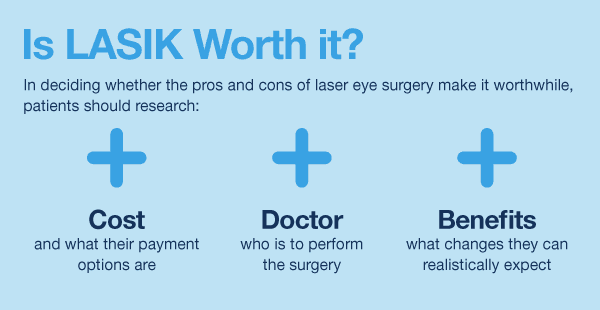
Cost Considerations
While the cost of Laser Eye Surgery is an important factor to consider, it should not be the sole determining factor in your decision-making process. Various cost considerations include:
Factors Affecting the Cost of Laser Eye Surgery
The total cost of Laser Eye Surgery can vary depending on several factors, such as the type of procedure, the technology used, the surgeon’s fee, and facility charges. It is essential to inquire about the breakdown of costs and what each cost covers.
Type of Procedure and Technology Used
Different Laser Eye Surgery procedures and technologies may have varying costs. LASIK, for example, is typically more expensive than PRK due to the use of advanced laser technology. Discuss the pros and cons of each procedure with your surgeon to make an informed decision.
Surgeon’s Fee and Facility Charges
The surgeon’s fee and facility charges can vary depending on their expertise, location, and the level of technology and services provided. While cost is a factor, prioritize choosing a qualified surgeon and reputable facility over price alone.
Additional Pre- and Post-Op Expenses
In addition to the surgical fee, there may be additional expenses associated with pre-operative assessments, medications, eye drops, and post-operative care. It is important to factor in these costs when budgeting for the procedure.
Insurance Coverage and Financing Options
In some cases, Laser Eye Surgery may be covered by insurance if it is deemed medically necessary. However, elective Laser Eye Surgery for aesthetic purposes is typically not covered. Explore insurance coverage options and consider financing options, such as payment plans or medical savings accounts, to manage the cost.
Value of Quality and Safety over Cost
While cost is an important consideration, prioritize the quality and safety of the procedure over the cost alone. Laser Eye Surgery is a medical procedure that directly impacts your vision and overall eye health. Choose a qualified surgeon and reputable facility that prioritize patient safety and successful outcomes.
In conclusion, Laser Eye Surgery can be a life-changing procedure for many individuals seeking improved vision and reduced reliance on glasses or contact lenses. However, it is essential to understand the risks and considerations associated with the procedure. Factors such as pre-existing eye conditions, corneal thickness, age, pregnancy or breastfeeding, stable vision, overall health conditions, selection of qualified surgeons and facilities, post-surgery care, and cost considerations should all be carefully evaluated and discussed with a qualified ophthalmologist before making a decision. By considering these factors and making an informed decision, you can increase the chances of a successful Laser Eye Surgery experience and achieve the vision correction you desire.